
PERGOLA VIVA
Plan product supply and installation as a clear project scope
An international project needs more than a product price. The design, final measurements, delivery location, import responsibilities, installation and after-sales arrangements should be agreed together.
Pergola Viva assesses enquiries from Antalya, Türkiye. Start by choosing the approach you need: product supply to an appointed local team, or a project in which installation is also assessed for inclusion.
Product supply for your appointed project team
A supply-only proposal describes the selected system, agreed dimensions, components and delivery scope. It should also identify the drawings, instructions and technical support included in the order.
The party responsible for final site measurements must be named before production. Import handling, unloading, storage, site preparation, installation and commissioning need named owners even when they are outside the supplier’s quoted work.
- Confirm the model, finish, controls and selected accessories.
- State the approved dimensions and drawing revision.
- List packing, delivery location and included documents.
- Identify the responsible importer, receiver and installation team.
- Agree how discrepancies, transport damage and support enquiries will be recorded.
| Task | Confirm before the order |
|---|---|
| Final measurements | Who takes them, checks levels and accepts responsibility for the approved values. |
| Import and clearance | Who acts as importer and obtains the applicable local documentation. |
| Unloading and storage | Who provides suitable access, handling equipment and storage conditions. |
| Installation and checks | Who installs, connects, inspects and commissions the system. |
| After-sales support | Who assesses issues locally and how parts, labour and travel are handled. |
Installation can be assessed with the project
If you need installation included, share the country, city, property type and available site information. The proposal must identify the party carrying out the work, the included activities and the conditions needed to complete them.
Availability depends on the destination and site. Local permissions, working and access requirements, team arrangements, structural preparation, power supply and after-sales support need to be resolved before installation is confirmed.
- Name the site contact and the party responsible for local approvals.
- Check access for people, equipment, materials and glass.
- Agree what preparation is required before the installation team arrives.
- Separate electrical, structural and building work from the system installation where applicable.
- Set the handover checks and the post-installation support responsibilities.
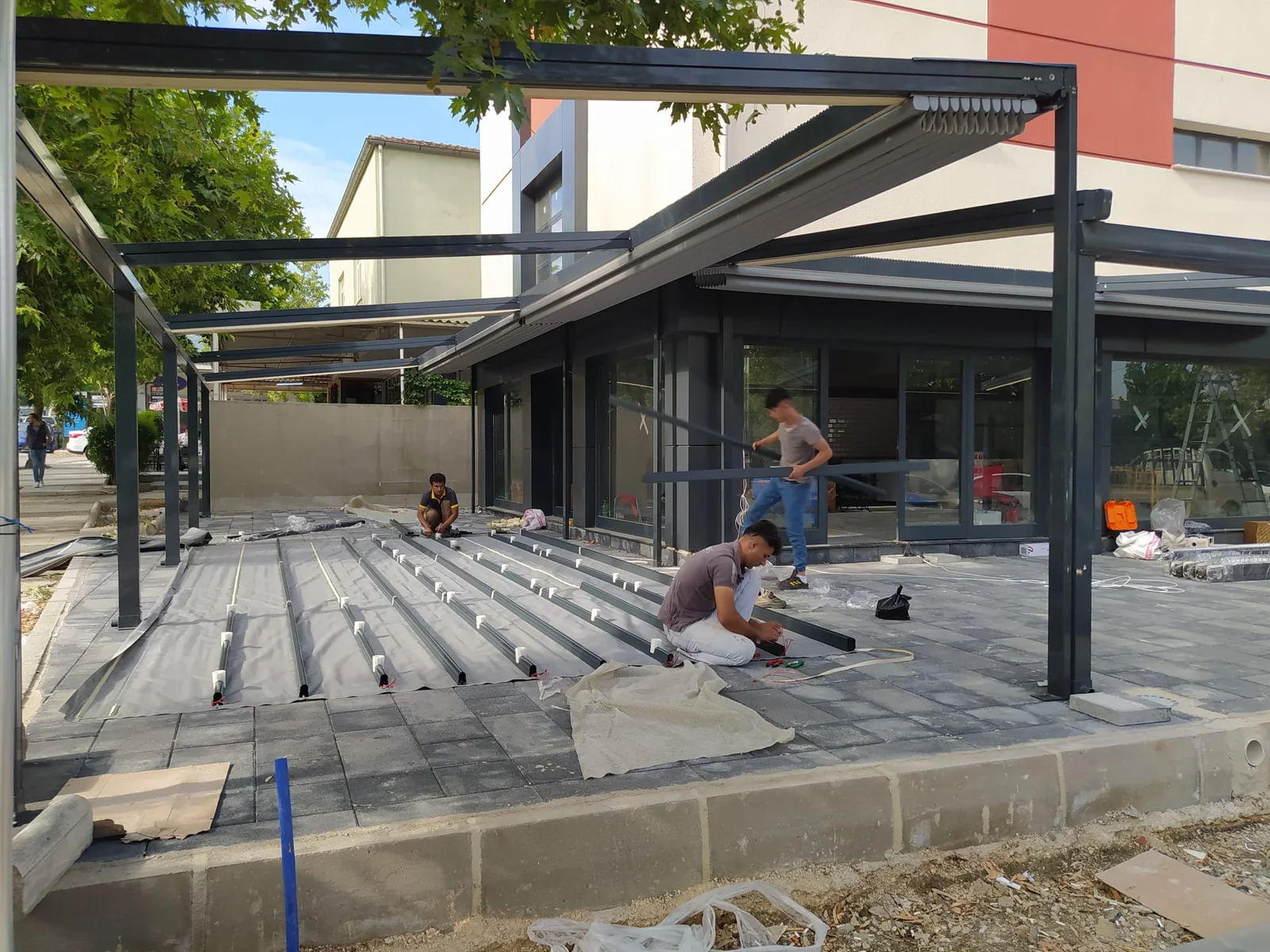
Confirm the design before production is released
Photographs, rough dimensions and sketches help the first discussion. They do not replace final site measurements, levels, fixing details or a check of the existing structure.
The approved drawing should identify the roof and glass movements, support positions, interfaces, drainage and any required access. Keep the model, dimensions and selected components on the same approved revision.
If the site or specification changes, review the change before continuing. A written revision avoids relying on an old drawing or a verbal assumption when the product is prepared.
- Initial brief: identify the place, use and preferred system.
- Technical confirmation: resolve dimensions, conditions, components and responsibilities.
- Approval: record the accepted specification and drawing revision.
Check the required documents for the destination and product
The documentation depends on the product, components, shipment and destination. The importer and relevant local advisers should confirm the applicable customs classification and product requirements before dispatch. The proposal should identify the documents included in the supply scope and the information needed from the buyer. A general company certificate or a certificate for one component is not automatically proof of compliance for the complete installed system.
- Shipment information may include the agreed commercial invoice, packing details, origin information and transport documents.
- Technical information should identify the supplied model, selected components and applicable operating or installation instructions.
- Any conformity, testing or project approval requirement must be checked for the actual product and location.
- Do not assume a customs tariff, tax exemption or certification status from a general product name.
Agree the destination, packing and receiving arrangements
The shipment plan depends on the dimensions, weight, components and agreed delivery point. Packing, freight and local handling should be quoted for that plan rather than as one universal charge.
The accepted quotation should name the delivery location and delivery term, explain the included costs and identify where responsibilities pass between the parties. Customs clearance, taxes, local transport and unloading should be stated explicitly.
On arrival, the receiver needs a clear method for checking the package count and visible condition, recording any issue and arranging the next stage of storage or installation.
- Confirm the named destination and contact for receiving.
- Agree package identification and the relevant packing information.
- Check access and suitable handling arrangements, especially for glass.
- Identify insurance and damage-reporting responsibilities in the contract.
- Keep the received-item and discrepancy records with the project file.
Compare the same scope before comparing the total
Review the quotation date, validity period, currency, tax treatment, payment schedule and assumptions behind the programme. Compare the same product specification and delivery scope, then identify any work or cost that remains with your local team. If the design or delivery scope changes, review the revised quotation before approval.
| Scope item | What the quotation should show | Question to settle |
|---|---|---|
| System | Model, dimensions, movement and selected specification. | Are both offers for the same mechanism and layout? |
| Options | Lighting, controls, glazing, screens and finishes. | Which options are included? |
| Preparation | Supports, fixings, electrical and building work. | Who completes the site work? |
| Delivery | Packing, freight and named destination. | What remains to be paid or arranged locally? |
| Installation | Work, access conditions and responsible party. | Is the proposal supply-only or installed? |
| Documentation | Agreed technical and shipment documents. | What does the destination require? |
| After-sales | Parts, labour, travel and support procedure. | Who handles an issue after handover? |
Keep a usable handover record
A useful handover record identifies the installed or supplied model, its components and the agreed checks. It also gives the owner the applicable operating, cleaning and maintenance information.
For international work, agree the practical route for support: how an issue is reported, who assesses it locally and how any parts, labour, access or travel are handled. This arrangement should be clear before the order, especially for motorised systems.
- Model and component identification.
- Approved drawings and relevant revisions.
- Applicable operating and cleaning instructions.
- Warranty documents and the support contact.
- Agreed receiving, installation and commissioning records.
Plan maintenance, parts and safe service access
Keep the model and component references with the handover record. Use the operating and cleaning instructions that apply to those components, and agree how to report a fault or request a replacement part. An identifiable component is easier to assess than an unlabelled photograph of the whole installation.
Routine care depends on the actual fabric, louvres, tracks, drainage, glazing and controls. Carry out only the user maintenance described in the supplied instructions. Keep accessible movement and drainage areas clear, and arrange qualified assistance where cleaning or inspection requires work at height, electrical work or access to a moving mechanism.
Leave the necessary service access in the design. Fixed furniture, ceilings or later alterations should not block the agreed access to controls, moving parts, drainage or the safe cleaning route. If operation becomes abnormal, stop using the system and follow the supplied fault-reporting procedure.
| Party or scope | Responsibilities to agree |
|---|---|
| Product supply | The supplied model and component records, applicable instructions, parts-enquiry route and the support included in the order. |
| Buyer and local project team | Local access, site preparation, the appointed installer and the person who keeps the handover information. |
| Installation party | The agreed installation and commissioning checks, demonstration of operation and identification of accessible maintenance points. |
| After-sales arrangement | Who assesses a reported issue and how replacement parts, labour, shipping, travel and local access are covered. |
| Owner or operator | The permitted routine care, the people authorised to operate the system and the process for recording and reporting a fault. |
Start with a short international project brief
Send the country and city, the type of property and the result you want. Tell us whether you have a local project team and whether you are considering product supply or installation included. If you are unsure, say so; the delivery approach can be discussed with the brief.
- Location and residential or commercial use.
- Preferred roof or glass movement, if known.
- Supply-only, installation included or advice needed.
- Photographs, sketches or approximate dimensions, if available.
QUESTIONS & ANSWERS
Questions and answers
Details for choosing and using your system.
Discuss your requirementsYou can request that delivery model. Final measurement responsibility, drawings, included instructions, import handling, installation and commissioning must be agreed in writing. The warranty and support terms should also explain how work by the appointed installer is treated.
Share the country, city and site information so we can assess installation alongside the product scope. Team arrangements, local requirements, access, site preparation and after-sales responsibilities need to be agreed before installation is included in the accepted quotation.
No. Photographs and approximate dimensions help an initial discussion. Final measurements, levels, supports, interfaces and the accepted drawing revision must be confirmed by the responsible technical party before production is released.
No. The product dimensions, weight, destination, route, documents, current transport conditions and receiving arrangements affect the shipment plan. A quotation should state the actual assumptions and the named delivery point.
Only if the accepted quotation and delivery term explicitly include them. Product classification, origin and destination rules must be confirmed for the actual shipment. A general product name or trade agreement is not enough to assume a particular rate or exemption.
No. The requirements must be checked for the product, its components and the project location. Any certificate or test report must match its real scope. The importer and relevant technical parties should confirm what is needed before dispatch.
The order should identify the support contact and the responsibilities for assessment, replacement parts, local labour, access and travel. These can differ between a supply-only order and an installed project, so they should be resolved before acceptance.
MEET YOUR MANUFACTURER
The people behind your outdoor system.
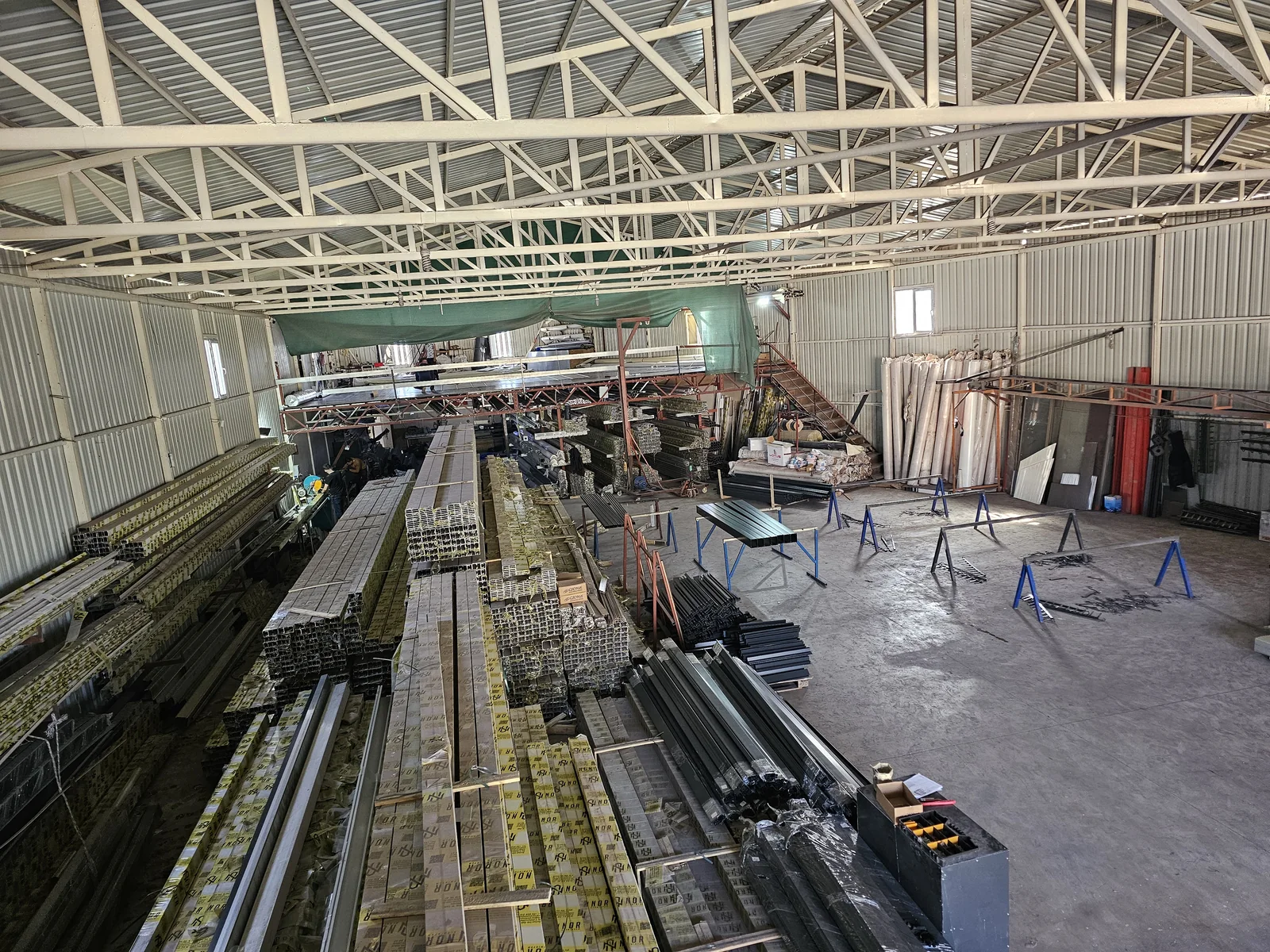
Pergola Viva combines 15 years of sector experience with 7 years in manufacturing pergola and glass systems in Antalya.
About our team and manufacturingRead our Google reviews