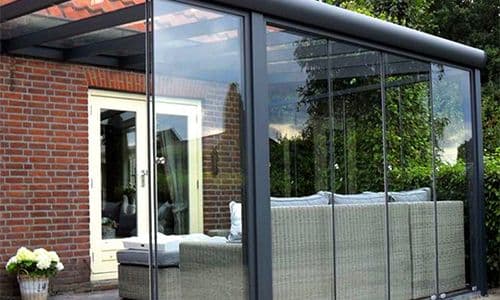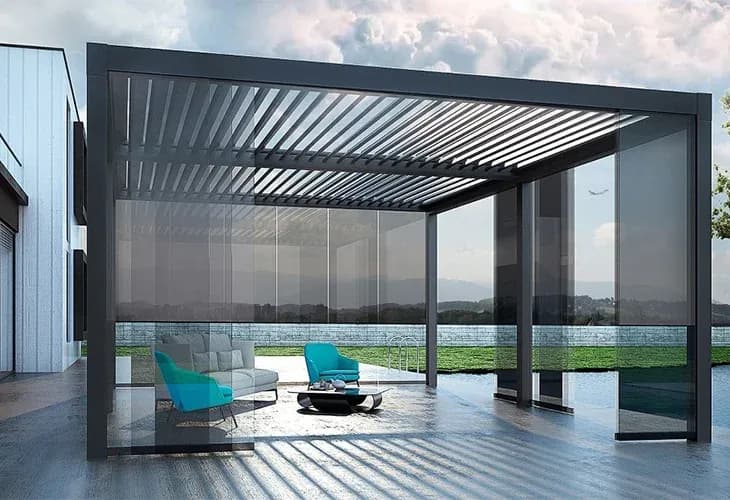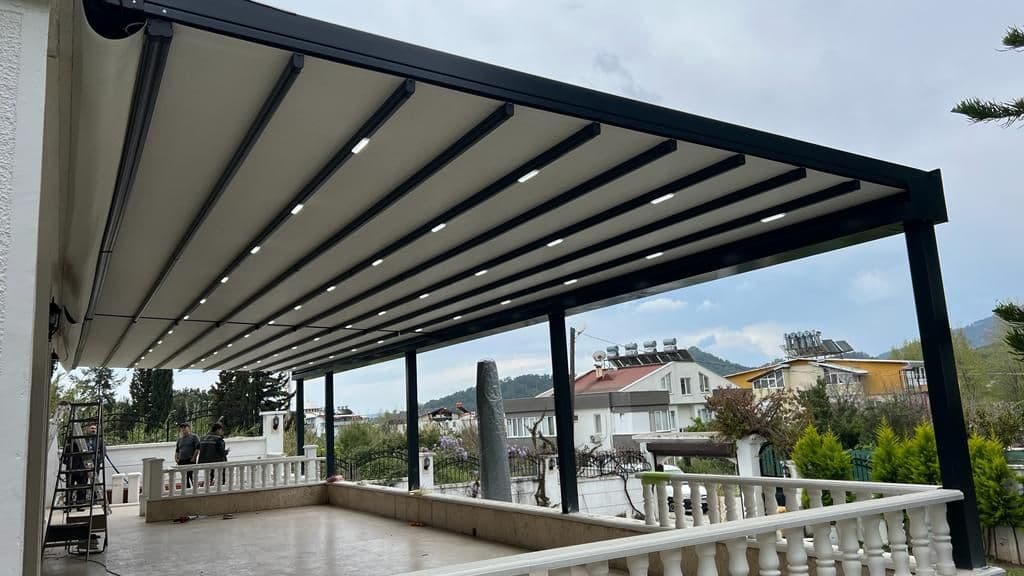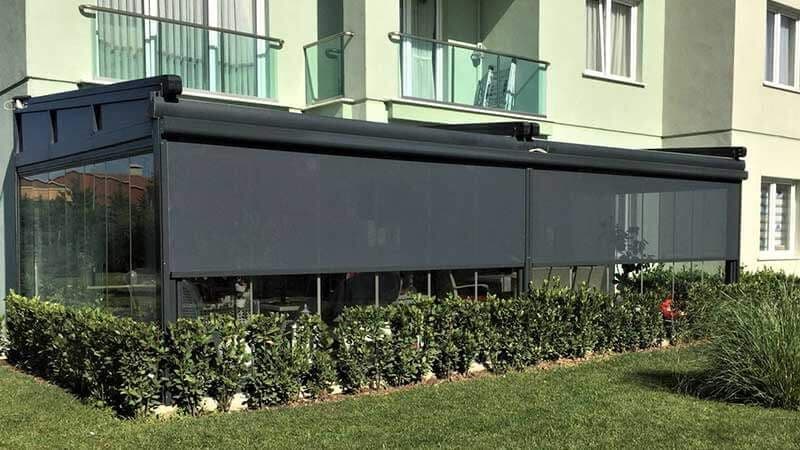
The decision to add a pergola to your property represents more than selecting outdoor furniture or landscaping features—it's an architectural investment that fundamentally shapes how you experience outdoor spaces for decades to come. Whether transforming a residential terrace into a year-round living extension, creating an inviting restaurant patio that operates reliably through seasons, or defining distinctive corporate outdoor amenities, the pergola type you choose profoundly influences comfort, functionality, energy efficiency, maintenance burden, and long-term satisfaction. Understanding the fundamental differences between bioclimatic pergola systems and traditional pergolas enables informed decisions aligned with your specific needs, lifestyle, budget, and architectural vision.
Traditional pergolas have graced gardens and terraces for centuries, providing partial shade through fixed open-beam construction or stationary louver configurations—timeless architectural elements celebrating craftsmanship and classical proportions. Bioclimatic pergolas represent contemporary evolution of this heritage, incorporating adjustable louver roofs, environmental sensors, motorized operation, and intelligent automation that actively respond to weather conditions—transforming static shelters into dynamic climate-responsive environments. The distinction extends far beyond mere technological sophistication; it encompasses fundamentally different approaches to environmental control, user interaction, energy impact, and daily experience.
At Pergola Viva, we recognize that neither solution is universally superior—each serves distinct priorities, contexts, and preferences. Our expertise encompasses both traditional craftsmanship and cutting-edge automation, positioning us to guide clients toward optimal selections based on thorough assessment rather than predetermined biases. This comprehensive comparison illuminates the considerations that should inform your pergola selection guide journey—enabling confident decisions that deliver satisfaction across decades of ownership.
Understanding the Difference Between Bioclimatic and Traditional Pergolas
Traditional Pergola Characteristics
Traditional pergolas embody architectural heritage through straightforward construction and timeless aesthetics:
Structural Definition: Posts supporting horizontal beams creating overhead frameworks—typically featuring open-beam construction allowing partial sun penetration or fixed louvers at predetermined angles. These static structures define outdoor spaces architecturally while providing consistent partial shade.
Material Options:
- Wood Construction: Natural aesthetic warmth, traditional craftsmanship appeal, requiring regular maintenance (staining/sealing every 2-3 years), susceptible to rot and insect damage, typical lifespan 15-25 years
- Aluminum Frameworks: Corrosion-resistant durability, minimal maintenance requirements, contemporary clean aesthetics, precision-manufactured profiles, lifespan exceeding 40+ years
Operational Simplicity: No moving parts, motors, or controls—static configuration requiring no user interaction or power source. Simplicity ensures reliability and eliminates operational complexity.
Aesthetic Character: Classical architectural proportions, visible beam-and-post construction, shadow patterns creating visual interest, compatibility with both traditional and contemporary design contexts.
Functional Limitations: Fixed coverage pattern regardless of sun position, time of day, season, or weather conditions. Limited rain protection unless incorporating solid roofing compromising openness and light admission.
Bioclimatic Pergola Systems
Bioclimatic designs represent technological evolution incorporating environmental intelligence:
Adjustable Louver Technology: Rotating horizontal blades mounted on axis systems enabling positioning from fully open (perpendicular—maximum sky exposure) to fully closed (horizontal—weathertight seal). Infinite intermediate positions provide precise coverage control.
Motorized Operation: Electric drive systems enabling effortless adjustment via remote control, smartphone applications, wall-mounted panels, or voice commands. Eliminating physical effort while enabling convenient control.
Environmental Sensors: Comprehensive monitoring systems tracking:
- Sun intensity and angle for optimal shading
- Rain detection triggering protective closure
- Wind speed monitoring for safe operation
- Temperature coordination with climate control
Intelligent Automation: Algorithmic control responding to environmental conditions automatically—optimizing comfort without constant user intervention. Advanced systems employ machine learning adapting to user preferences over time.
Integrated Features: Concealed drainage systems managing rainwater when closed, LED lighting within structural elements, optional heating integration, and potential side screen coordination creating comprehensive environmental control.
Smart Home Connectivity: Integration with Apple HomeKit, Google Home, Amazon Alexa, and comprehensive building management systems—unified control across all home automation elements.
Design and Functionality Comparison
Aesthetic Considerations
Traditional Pergola Design:
- Classic architectural vocabulary respecting historical precedent
- Visible beam-and-post construction creating strong geometric presence
- Shadow patterns changing throughout day providing dynamic visual interest
- Natural material authenticity (particularly wood construction)
- Compatibility with traditional, Mediterranean, rustic, or contemporary minimalist contexts
- Decorative potential through climbing plants, fabric draping, or integrated lighting
Bioclimatic Pergola Design:
- Contemporary refined aesthetics emphasizing clean lines and precision
- Slender aluminum profiles maximizing transparency and minimizing visual bulk
- Concealed mechanical components maintaining uncluttered appearance
- Monochromatic sophistication through extensive powder-coating color options
- Modern architectural integration complementing cutting-edge design
- Technology elegance—mechanical sophistication becoming aesthetic feature
Both approaches deliver architectural distinction—the choice reflects whether traditional timelessness or contemporary innovation better aligns with property character and personal aesthetic preferences.
Functional Capabilities
Traditional Pergola Functionality:
- Partial shade creating comfortable zones during moderate sun exposure
- Architectural definition of outdoor spaces establishing distinct areas
- Support structure for climbing plants, hanging lighting, or ceiling fans
- Visual privacy through added lattice panels or vegetation growth
- Basic shelter from light rain (minimal protection without solid roofing)
- Decorative focal points enhancing landscape composition
Bioclimatic Pergola Functionality:
- Variable sun control from complete exposure to full blockage
- Complete rain protection when closed—integrated drainage preventing water accumulation
- Natural ventilation optimization through strategic louver positioning creating convection airflow
- Passive climate control reducing adjacent building HVAC loads 30-40%
- Smart automation enabling absent-owner protection and effortless comfort optimization
- Multi-season usability extending comfortable outdoor time by months annually
- Integration with comprehensive environmental control (heating, lighting, side screens)
The functional gap between traditional partial shade and bioclimatic complete environmental control represents the fundamental distinction informing selection decisions.
Weather Adaptability and Energy Efficiency
Environmental Response Capabilities
Traditional Pergola Weather Performance:
Sun Management: Fixed shade pattern providing consistent partial coverage. Effectiveness varies throughout day as sun angle changes—optimal shading limited to specific times. No adjustment capability responding to intensity variations or seasonal solar angle changes.
Rain Protection: Minimal to none unless incorporating solid roofing (which eliminates openness and creates dark space). Open-beam designs provide virtually no precipitation protection. Fixed louver configurations offer slight protection but water penetration remains significant.
Wind Exposure: Open construction provides no wind barrier—spaces remain exposed to breezes and gusts. While this enables natural ventilation, it can create uncomfortable conditions during windy periods forcing retreat indoors.
Temperature Management: Passive shade reduces direct solar heat gain modestly. No active climate control capability—spaces remain subject to ambient conditions with limited mitigation.
Bioclimatic Pergola Weather Performance:
Intelligent Sun Control: Automated solar tracking adjusts louver angles throughout day maintaining optimal shade. Morning gentle opening admits warming light, midday positioning blocks intense rays while maintaining diffused illumination, afternoon adjustment follows western sun arc—continuous optimization impossible manually.
Complete Rain Protection: Closed louvers create weathertight seals preventing water penetration. Integrated drainage systems channel precipitation away from protected areas. Automatic rain sensors trigger closure before furniture or occupants get wet—reliable protection even when property unoccupied.
Wind Management: Adjustable positioning enables strategic response—partial closure reduces wind impact while maintaining openness, complete closure provides maximum protection during storms, and sensors automatically retract systems during high winds preventing structural damage.
Active Temperature Control: Strategic louver positioning optimizes passive climate control. Summer closure blocks solar heat gain reducing ambient temperature significantly. Winter opening admits solar warming. Ventilation optimization through angled positioning creates convection currents naturally cooling spaces. Coordination with adjacent building HVAC systems maximizes efficiency.
Energy Efficiency Impact
Traditional Pergola Energy Performance:
- Basic passive shading benefit reducing adjacent building solar heat gain modestly
- No active energy consumption (no motors or electronics)
- Limited optimization potential—fixed configuration regardless of efficiency opportunities
- Minimal impact on building energy performance beyond basic shade provision
Bioclimatic Pergola Energy Performance:
- Substantial HVAC load reduction through optimized shading—documented 30-40% cooling energy savings on adjacent spaces
- Bidirectional seasonal benefit—summer solar blockage and winter admission
- Coordination with building management systems optimizing holistic energy consumption
- Minimal operational energy consumption (motors draw negligible power)
- Positive net energy impact—savings dramatically exceed operational consumption
- Contribution to green building certifications (LEED, BREEAM, etc.)
- Peak demand management reducing expensive utility rate impacts
The energy efficiency advantages of bioclimatic systems deliver measurable utility cost savings that accumulate significantly across decades of ownership—often recovering technology premium through reduced energy bills alone.
Durability, Maintenance, and Material Quality
Longevity Expectations
Traditional Pergola Lifespan:
Wood Construction:
- 15-25 years typical service life with diligent maintenance
- Susceptibility to rot, insect damage, warping, and splitting
- Structural integrity degradation requiring eventual replacement
- Accelerated deterioration in humid climates or inadequate maintenance
Aluminum Construction:
- 40-50+ years structural service life
- Corrosion-resistant performance in all climates including coastal
- Dimensional stability across temperature extremes
- Minimal degradation—maintaining appearance and function decades
Bioclimatic Pergola Lifespan:
- Structural framework: 40-50+ years (premium aluminum construction)
- Motorized mechanisms: 15-25 years with proper maintenance
- Control electronics: 10-15 years (upgradable as technology advances)
- Weather sealing components: 10-15 years before recommended replacement
- Overall system longevity: 30-40+ years with periodic component service
While bioclimatic systems incorporate mechanical elements requiring eventual service, overall longevity remains impressive—particularly considering continuous functionality enhancement through software updates and component upgrades.
Maintenance Requirements
Traditional Pergola Maintenance:
Wood Systems:
- Annual inspection for rot, insect damage, structural integrity
- Staining or sealing every 2-3 years preventing degradation
- Periodic repairs addressing warping, splitting, or fastener loosening
- Cleaning removing debris, mold, or mildew accumulation
- Substantial lifetime maintenance investment (time and materials)
Aluminum Systems:
- Occasional cleaning with water and mild detergent
- Minimal structural maintenance—primarily aesthetic
- Extremely low lifetime maintenance burden
- No refinishing, painting, or protective treatment required
Bioclimatic Pergola Maintenance:
- Monthly: Rinse louvers and clear tracks of debris
- Quarterly: Verify smooth operation and check weather sealing
- Annually: Professional service including motor lubrication, sensor calibration, seal inspection, and electrical connection verification
- Periodic: Software updates (often automatic via connectivity)
- Moderate maintenance requirement—more than traditional aluminum, less than wood construction
The maintenance consideration involves both cost (professional service fees and component replacements) and time commitment (regular attention requirements).
Material Quality Considerations
Premium Aluminum Construction (both traditional and bioclimatic):
- Marine-grade alloys resisting corrosion indefinitely
- Powder-coated finishes maintaining appearance 20-30+ years
- Precision extrusion ensuring consistent quality and fit
- Thermal break technology (where applicable) enhancing energy performance
- Environmental sustainability through infinite recyclability
Wood Construction (traditional primarily):
- Natural aesthetic warmth and organic character
- Environmental impact of treatment chemicals
- Dimensional instability from moisture absorption
- Requirement for sustainable sourcing (FSC certification)
- Biodegradable end-of-life disposal
Material selection profoundly influences both initial investment and lifetime ownership cost—aluminum's premium initial cost offset by dramatically reduced maintenance and extended longevity typically delivering superior lifetime value.
Bioclimatic vs. Traditional Pergola: Detailed Comparison
| Feature | Traditional Pergola | Bioclimatic Pergola Systems |
|---|---|---|
| Sun Control | Fixed partial shade | Adjustable—full sun to complete shade |
| Rain Protection | Minimal to none | Complete weathertight coverage |
| Ventilation | Passive only—open exposure | Optimized through strategic louver positioning |
| Automation | None—static structure | Comprehensive sensors and intelligent control |
| Weather Adaptability | No response capability | Active adaptation to conditions |
| Energy Efficiency | Basic passive shade | Significant HVAC load reduction (30-40%) |
| User Interaction | None required | Effortless control—voice, app, or automatic |
| Smart Home Integration | Not applicable | Full connectivity with major platforms |
| Seasonal Flexibility | Same coverage year-round | Optimized positioning per season |
| Year-Round Comfort | Limited—weather dependent | Extended usability through climate control |
| Operational Complexity | None—no moving parts | Moderate—requires occasional maintenance |
| Initial Investment | Lower upfront cost | Premium reflecting technology |
| Maintenance Burden | Wood: High / Aluminum: Very Low | Moderate—periodic professional service |
| Energy Consumption | None | Minimal motor electricity (offset by HVAC savings) |
| Durability | Wood: 15-25 years / Aluminum: 40+ years | 30-40+ years with component service |
| Aesthetic Character | Traditional/classical elegance | Contemporary/modern sophistication |
| Customization | Standard configurations | Extensive—dimensions, colors, features |
| Remote Access | Not applicable | Global smartphone control |
| Property Value Impact | Modest positive | Significant—smart features highly valued |
| Best For | Budget-conscious, decorative, traditional aesthetics | Ultimate comfort, convenience, energy efficiency |
This comprehensive comparison illuminates that the choice isn't simply "better or worse" but rather alignment with priorities—traditional pergolas serve aesthetic and budget considerations while bioclimatic systems optimize functionality, comfort, and long-term value.
Cost vs. Long-Term Value
Investment Considerations
Traditional Pergola Investment:
Initial Costs:
- Wood construction: Economy to moderate investment depending on dimensions and quality
- Aluminum construction: Moderate investment reflecting material and precision manufacturing
- Installation: Standard carpentry or structural mounting
- No electrical or automation expenses
Lifetime Costs:
- Wood maintenance: Substantial ongoing expense (materials and labor for regular refinishing)
- Aluminum maintenance: Minimal ongoing costs
- Energy impact: No operational consumption, limited efficiency benefit
- Eventual replacement: Wood requires renewal after 15-25 years
Total Cost of Ownership: Initial investment + maintenance expenses + eventual replacement costs
Bioclimatic Pergola Investment:
Initial Costs:
- Premium reflecting sophisticated engineering, precision manufacturing, quality motors and sensors, and advanced control systems
- Professional installation including electrical integration and system programming
- Higher upfront investment than traditional alternatives
Lifetime Costs:
- Minimal maintenance: Periodic professional service and occasional component replacement
- Negligible energy consumption: Motor electricity offset dramatically by HVAC savings
- Energy benefits: Substantial utility cost reductions accumulating annually
- Extended service life: 30-40+ years with component service (no complete replacement)
- Firmware updates: Ongoing capability enhancement at no additional cost
Total Cost of Ownership: Higher initial investment - energy savings - avoided replacement costs = often superior lifetime value
Value Analysis: While bioclimatic systems command premium initial investment, comprehensive lifetime value assessment frequently reveals superior financial outcomes—particularly for properties where outdoor space receives regular use and energy efficiency impacts operating costs significantly. The technology premium often recovers through energy savings within 8-12 years, with remaining service life representing pure additional value.
Return on Investment Factors
Residential Properties:
- Energy cost savings: $500-1,500+ annually depending on climate and adjacent space conditioning
- Extended outdoor usability: Months of additional comfortable outdoor time
- Property value enhancement: Smart features commanding premium in real estate markets
- Lifestyle improvement: Intangible satisfaction and convenience benefits
- Reduced maintenance time: Freedom from regular upkeep requirements
Commercial Properties:
- Revenue optimization: Extended operational hours and increased capacity for hospitality venues
- Energy cost reduction: Significant HVAC savings in commercial buildings with high occupancy
- Tenant satisfaction: Premium amenity justifying higher rents
- Brand differentiation: Sophisticated environmental control communicating quality
- Operational efficiency: Automated management reducing staff attention requirements
Which Pergola Best Suits Your Lifestyle?
Choose Traditional Pergola When:
Budget Constraints Are Primary: Initial cost limitations make premium bioclimatic systems financially challenging despite long-term value advantages.
Decorative Purpose Dominates: Primary goal is architectural definition and aesthetic enhancement rather than functional climate control.
Traditional Aesthetic Preference: Classical design vocabulary better complements property architecture and personal taste than contemporary technology-forward aesthetics.
Minimal Usage Expectations: Outdoor space receives occasional fair-weather use rather than regular year-round activity—advanced climate control unnecessary.
Low-Maintenance Priority with Aluminum: Selecting aluminum traditional construction delivers minimal maintenance without automation complexity.
Simplicity Valued: Preference for straightforward structures without operational learning curve, technological dependence, or mechanical elements requiring eventual service.
Climbing Plant Integration: Primary vision incorporates substantial vegetation growing over structure—biological shading complementing architectural framework.
Temporary or Rental Property: Short-term ownership horizon or rental context where investment recovery timeframe doesn't justify premium expense.
Choose Bioclimatic Pergola Systems When:
Year-Round Comfort Priority: Regular outdoor space usage across all seasons justifies climate control investment delivering reliable comfort.
Energy Efficiency Goals: Environmental consciousness or utility cost concerns make HVAC load reduction and passive climate control attractive.
Smart Home Integration: Existing comprehensive automation making outdoor system connectivity natural extension of holistic smart environment.
Maximum Functionality: Desire for complete weather protection, optimized ventilation, and multi-season usability rather than basic partial shade.
Remote Property Management: Vacation homes or properties requiring remote monitoring and control for security and weather protection during absence.
Commercial Application: Hospitality, restaurant, or commercial contexts where extended operational hours and customer comfort directly impact revenue.
Convenience Preference: Valuing effortless environmental control over manual adjustment or static acceptance of conditions.
Long-Term Investment Horizon: Extended ownership expectations enabling technology premium recovery through energy savings and avoided replacements.
Property Distinction: Desire for architectural sophistication and modern amenity showcasing quality and innovation.
Accessibility Requirements: Household members with mobility limitations benefiting from motorized operation eliminating physical adjustment effort.
Pergola Viva's Expert Guidance
Comprehensive Consultation Process
Our approach ensures optimal selections based on thorough assessment:
Discovery: Understanding your specific priorities—functional requirements, aesthetic preferences, budget parameters, usage patterns, and long-term goals.
Site Assessment: Evaluating property characteristics—sun exposure analysis, wind patterns, architectural context, existing infrastructure, and spatial constraints.
Lifestyle Analysis: Discussing how you envision using outdoor spaces—entertaining frequency, seasonal patterns, daily routines, and comfort expectations.
Option Presentation: Explaining both traditional and bioclimatic alternatives transparently—capabilities, limitations, investment requirements, and lifetime value considerations.
Customized Recommendations: Providing expert guidance based on comprehensive evaluation rather than predetermined sales targets—genuine consultation serving client interests.
Transparent Proposals: Detailed documentation outlining specifications, costs, timelines, and expectations—enabling informed confident decisions.
Design and Installation Excellence
Whether traditional or bioclimatic, we deliver exceptional quality:
Traditional Pergola Expertise:
- Classical proportions respecting architectural heritage
- Premium aluminum construction ensuring decades of durability
- Precise manufacturing and installation achieving architectural refinement
- Extensive finish options coordinating with property aesthetics
- Optional feature integration (lighting, ceiling fans, side screens)
Bioclimatic System Mastery:
- Advanced louver mechanisms from European premium manufacturers
- Comprehensive sensor integration optimizing environmental response
- Sophisticated control programming tailored to preferences
- Smart home platform connectivity ensuring seamless operation
- Professional electrical integration and system commissioning
Ongoing Support Partnership
Our commitment extends decades beyond installation:
Traditional Pergola Support:
- Structural warranty coverage
- Finish maintenance guidance
- Modification and enhancement services
- Responsive technical assistance
Bioclimatic System Support:
- Comprehensive warranties (structural, mechanical, electronic)
- Periodic professional maintenance programs
- Firmware updates enhancing capabilities
- 24/7 technical support access
- Component upgrades and system expansions
Conclusion: Making Your Informed Choice
The decision between bioclimatic and traditional pergolas ultimately reflects priorities—whether budget constraints, aesthetic preferences, functional requirements, lifestyle patterns, or long-term value considerations dominate your selection criteria. Traditional pergolas deliver timeless architectural distinction and straightforward reliability at accessible investment levels, while bioclimatic systems provide sophisticated environmental control, intelligent automation, and comprehensive functionality justifying premium investment through superior comfort, energy efficiency, and lifetime value.
Neither represents a universally superior choice—rather, each serves distinct contexts optimally. The critical factor is thorough understanding of differences, honest assessment of priorities, and realistic evaluation of how outdoor spaces will actually be used across years of ownership. Selecting based on comprehensive analysis rather than initial cost alone ensures satisfaction spanning decades.
At Pergola Viva, our dual expertise in both traditional craftsmanship and cutting-edge automation positions us uniquely to guide this important decision. We remain committed to serving client interests through transparent consultation, expert recommendations, exceptional execution, and long-term partnership—ensuring your pergola investment delivers the satisfaction you deserve regardless which system best aligns with your unique circumstances.
Ready to discover which pergola system perfectly fits your space and lifestyle? Contact Pergola Viva today to schedule your personalized consultation. Our specialists will assess your property, discuss your vision and requirements comprehensively, explain options transparently, and develop customized proposals reflecting true value. Whether traditional elegance or bioclimatic innovation better serves your needs, trust Pergola Viva for expertise, quality, and service excellence that transforms outdoor spaces into environments you'll treasure for decades to come.