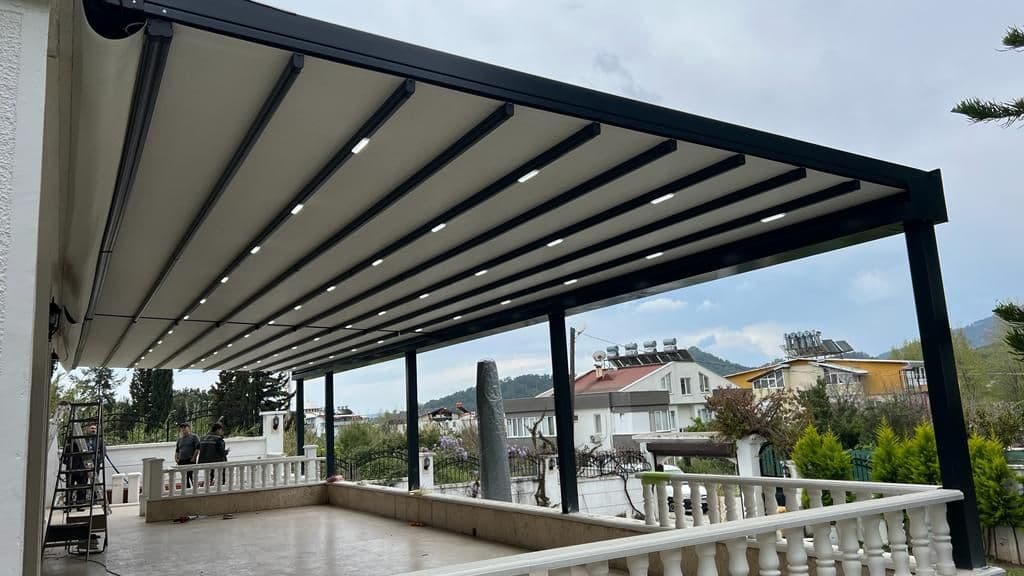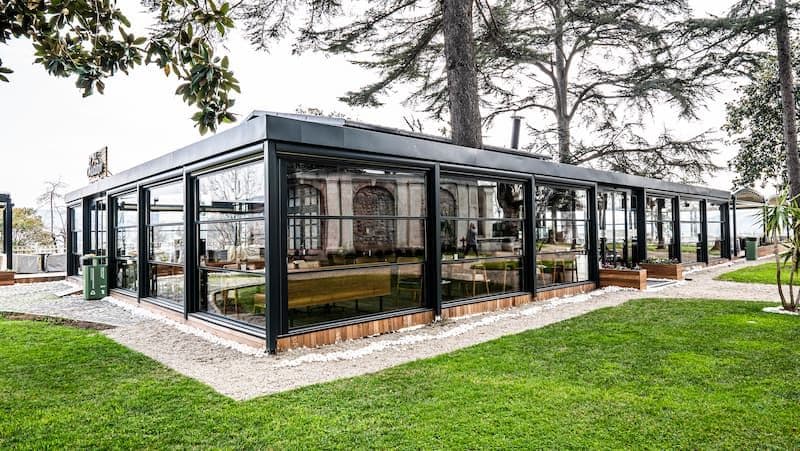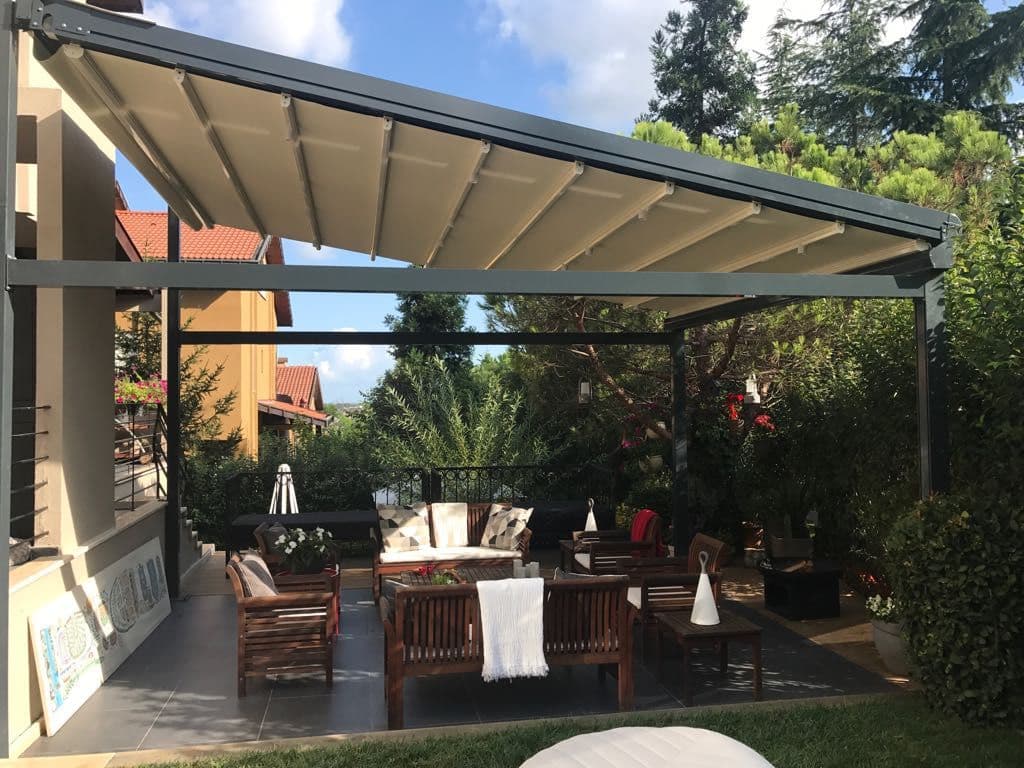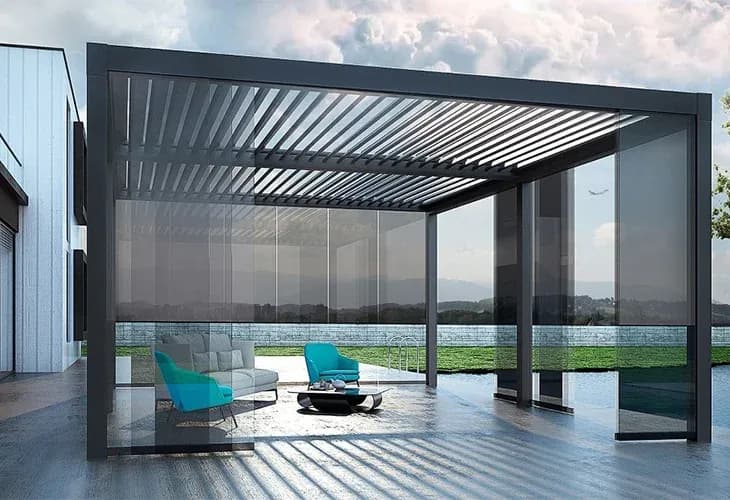
A beautifully designed pergola represents a significant architectural investment—transforming outdoor spaces into functional, elegant environments that enhance property value, extend living areas, and provide years of comfort and enjoyment. However, like any sophisticated outdoor structure, pergolas require thoughtful maintenance to preserve their aesthetic appeal, ensure optimal operational performance, and maximize their multi-decade service life potential. Regular care protects your investment from environmental wear, prevents minor issues from escalating into costly repairs, maintains warranty coverage validity, and ensures that the structure continues delivering the satisfaction and functionality that inspired its original installation.
The encouraging reality is that modern aluminum pergola systems, particularly premium installations from manufacturers like Pergola Viva, demand remarkably minimal maintenance compared to traditional wood structures or inferior materials. Marine-grade aluminum construction resists corrosion indefinitely, powder-coated finishes maintain appearance for decades with simple cleaning, integrated drainage systems self-manage water without intervention, and precision-engineered mechanisms operate reliably across thousands of cycles with occasional lubrication. This inherent durability means maintenance focuses primarily on preserving rather than repairing—straightforward cleaning, periodic inspection, and minor preventive measures that collectively require just hours annually while protecting structures designed to serve 40-50+ years.
At Pergola Viva, our commitment extends far beyond manufacturing and installation excellence to encompass comprehensive guidance on long-term pergola care, professional maintenance services, and responsive support ensuring your outdoor structure performs flawlessly across its entire lifespan. This pergola maintenance guide reflects decades of experience, real-world performance data, and best practices refined through thousands of installations across diverse climates and applications. Whether you're caring for a residential bioclimatic system, a commercial motorized installation, or a traditional aluminum structure, these recommendations will help you maintain peak performance, preserve aesthetic beauty, and ensure lasting satisfaction from your outdoor living investment.
Why Pergola Maintenance Is Important
Protecting Your Investment
Regular maintenance delivers tangible financial and functional benefits:
Longevity Extension: Proactive care prevents premature degradation—cleaning removes contaminants before they cause staining or corrosion, lubrication prevents mechanical wear, seal inspection catches deterioration before leaks develop, and minor adjustments prevent alignment issues that accelerate component failure. Well-maintained premium pergolas routinely exceed 40-50 years of service, while neglected structures may require major intervention or replacement within 20-25 years despite identical initial quality.
Performance Preservation: Operational smoothness depends on cleanliness and adjustment—debris-free tracks enable effortless louver movement, clean seals maintain weathertight integrity, properly tensioned mechanisms operate quietly and efficiently, and calibrated sensors respond accurately to environmental conditions. Regular maintenance ensures the exceptional convenience and functionality that justified your initial investment continues delivering satisfaction daily.
Aesthetic Maintenance: Visual appeal impacts property perception and personal enjoyment—clean finishes maintain the refined appearance that elevates outdoor spaces, stain removal preserves color vibrancy, seal integrity prevents unsightly water streaks, and proper care ensures your pergola continues enhancing rather than detracting from property aesthetics.
Warranty Compliance: Manufacturer warranties typically require reasonable maintenance as coverage conditions—documented care demonstrates responsible ownership, while neglect may void protection. Regular maintenance preserves warranty validity ensuring coverage remains available should unexpected issues arise.
Property Value Protection: Well-maintained outdoor features contribute positively to property valuations, while visibly neglected structures signal deferred maintenance concerns that reduce buyer confidence and negotiating power during sales.
Understanding Maintenance Requirements
Different pergola systems impose varying care demands:
Fixed Aluminum Pergolas: Minimal requirements—primarily cleaning and periodic structural inspection. No moving parts simplifies maintenance significantly.
Motorized Adjustable Systems: Moderate requirements adding mechanical component care—motor and mechanism lubrication, track cleaning, seal inspection, and control system verification beyond basic structural maintenance.
Bioclimatic Pergola Systems: Comprehensive requirements encompassing structural, mechanical, and electronic elements—sensor calibration, weather sealing attention, drainage verification, and software updates supplementing standard care.
Glass-Integrated Systems: Additional considerations for transparency maintenance—glass cleaning, track system care, seal inspection, and hardware adjustment ensuring smooth operation and weathertight integrity.
Understanding your specific system's requirements enables appropriate care levels—neither over-servicing wasting time and resources nor under-maintaining risking performance degradation.
Seasonal Maintenance Checklist
Spring Maintenance (Comprehensive Preparation)
Spring represents ideal timing for thorough maintenance preparing systems for heavy summer use:
Complete Cleaning (2-3 hours):
- Rinse entire structure with water removing winter accumulation—pollen, dust, leaf debris, and atmospheric contaminants
- Wash aluminum framework and louvers using mild soap (pH-neutral dish detergent) and soft sponge or cloth
- Clean glass panels (if present) with standard glass cleaner or vinegar-water solution
- Scrub tracks, channels, and drainage pathways removing debris that accumulated during winter
- Rinse thoroughly ensuring no soap residue remains
- Dry with soft cloths or allow air drying
Mechanical Inspection and Service (1-2 hours):
- Verify smooth louver operation across full range—identifying any binding, unusual sounds, or resistance
- Lubricate moving components per manufacturer specifications—typically silicone-based lubricants for aluminum-on-aluminum contact points, bearing-specific greases for sealed components
- Inspect weather seals and gaskets for compression set, cracking, or deterioration—replacing as needed
- Check fastener tightness—vibration and thermal cycling can loosen connections over time
- Test motorized systems across full operational range
- Verify sensor functionality—rain sensors via water spray test, sun sensors through response observation, wind sensors through anemometer calibration check
Drainage Verification (30 minutes):
- Flush gutters and downspouts with water ensuring free flow
- Clear drain outlets of blockages
- Verify proper slope maintaining positive drainage
- Inspect for standing water indicating inadequate drainage or settling
Control System Updates (15-30 minutes):
- Check for available firmware updates for smart systems
- Verify programmed schedules remain appropriate after time changes
- Test all control interfaces—smartphone apps, remotes, wall panels
- Replace remote control batteries
Documentation (15 minutes):
- Photograph overall condition establishing baseline for future comparison
- Note any concerns requiring professional attention
- Update maintenance log with service date and activities completed
Summer Maintenance (Ongoing Care)
Summer requires minimal but consistent attention:
Monthly Quick Cleaning (15-20 minutes):
- Rinse structure removing dust, pollen, and atmospheric deposits
- Clear tracks and drainage channels of debris
- Spot-clean any bird droppings or organic staining (prompt removal prevents permanent marking)
- Wipe down glass panels maintaining transparency
Bimonthly Inspection (10 minutes):
- Visual check for any damage, unusual wear, or developing issues
- Verify smooth operation without new sounds or resistance
- Ensure weather sealing remains intact
- Check that automated functions respond appropriately
As-Needed Tasks:
- Clean up any fallen leaves, petals, or seed pods promptly preventing accumulation
- Address any stains immediately—fresh stains clean easily while aged stains may become permanent
- Adjust outdoor furniture positioning if causing unusual shading or interference with louver operation
Fall Maintenance (Winter Preparation)
Autumn maintenance prepares systems for winter challenges:
Thorough Cleaning (2 hours):
- Deep clean removing summer dust and preparing for wet season
- Pay special attention to drainage systems—winter precipitation demands optimal water management
- Remove any organic growth (algae, mildew) that developed during humid summer months using dilute bleach solution (1:10 bleach:water), rinse thoroughly
Weather Seal Inspection (30-45 minutes):
- Carefully examine all gaskets and seals for deterioration
- Replace any compromised sealing—fresh seals critical for winter weather protection
- Verify louver-to-louver seals create continuous barriers when closed
- Check perimeter seals preventing wind-driven rain infiltration
Mechanical Service (1 hour):
- Lubricate all moving components ensuring smooth winter operation
- Verify proper louver alignment—misalignment causes sealing gaps
- Test full operational range including maximum closure for winter storm protection
- Inspect structural connections—tighten any loosened fasteners
Drainage Preparation (45 minutes):
- Final drainage system verification before wet season
- Clear any accumulated debris from gutters
- Verify downspout routing directs water away from foundations
- In freeze-prone climates, ensure drainage paths won't create ice dams or hazards
System Preparation (30 minutes):
- Update automation schedules for shorter days
- Verify heating elements (if equipped) function properly
- Test emergency manual override mechanisms
- Confirm battery backup systems (if present) hold charge
Winter Maintenance (Protective Monitoring)
Winter requires vigilant monitoring but minimal active maintenance:
Snow Management:
- After significant snowfall, verify louvers haven't iced in closed position
- Use manual override if automation fails due to ice
- Avoid forcing frozen mechanisms—risk of motor or linkage damage
- If equipped, activate heating elements preventing ice accumulation
- Gently brush heavy snow accumulation if exceeding design loads
- Never use sharp tools or excessive force risking damage to finishes or seals
Ice Prevention:
- Keep drainage pathways clear preventing ice dams
- Address any water pooling immediately—standing water freezes causing expansion damage
- Monitor seals ensuring ice doesn't wedge between louvers
- If freezing rain predicted, position louvers at slight angle preventing seal icing
Periodic Inspection (monthly, 15 minutes):
- Visual check for any winter damage—ice, wind, debris
- Verify structure remains plumb and square
- Check that no excessive snow load has accumulated
- Test operation during occasional warmer periods ensuring no freeze-related issues developed
Storm Preparation:
- Before severe winter storms, ensure louvers can fully close
- Verify automation systems will respond to high winds
- Clear nearby trees of dead branches that could fall causing damage
- Document pre-storm condition for insurance purposes if damage occurs
How to Clean Aluminum and Glass Pergola Components
Aluminum Framework and Louver Cleaning
Proper cleaning preserves finish beauty and longevity:
Routine Cleaning (Monthly or Quarterly):
- Rinse entire structure with garden hose removing loose dirt, dust, and debris
- Mix mild cleaning solution—pH-neutral dish soap (avoid harsh detergents, bleach, or abrasive cleaners that damage powder coating)
- Apply solution using soft sponge, microfiber cloth, or soft-bristle brush
- Work in sections from top to bottom preventing dirty water from draining over cleaned areas
- Pay attention to joints, corners, and recesses where contaminants accumulate
- Rinse thoroughly with clean water removing all soap residue
- Dry with soft cloths or allow air drying (drying prevents water spot formation on finishes)
Stain Removal:
- Organic Stains (bird droppings, tree sap, pollen): Remove promptly using soap and water; aged stains may require dilute isopropyl alcohol application
- Water Spots: Vinegar-water solution (1:1 ratio) applied with soft cloth, rinse thoroughly
- Chalking or Oxidation: Automotive cutting compound applied sparingly with soft cloth can restore finish; use minimal pressure avoiding coating breakthrough
- Graffiti or Paint: Consult manufacturer—some solvents damage powder coating; professional removal often safest
What to Avoid:
- Abrasive cleaners (scouring powders, steel wool, abrasive pads)—scratch protective coating
- Harsh chemicals (strong acids, alkalis, solvents)—attack powder coating or aluminum
- Pressure washers above 1500 PSI or held too close—damage seals and force water into sealed components
- Prolonged chemical contact—even mild cleaners should be rinsed promptly
- Cleaning in direct hot sun—rapid drying causes spotting and streaking
Glass Panel Maintenance
Transparent components require specific care maintaining clarity:
Regular Cleaning (Biweekly to Monthly):
- Rinse glass removing loose particles preventing scratching during wiping
- Apply glass cleaner or make solution (vinegar and water, or dish soap and water)
- Wipe with lint-free microfiber cloth, squeegee, or crumpled newspaper
- Use horizontal then vertical strokes for streak-free results
- Dry edges and frames preventing water from draining onto aluminum creating water spots
- Inspect for any chips, cracks, or seal deterioration during cleaning
Stubborn Deposit Removal:
- Hard Water Stains: Vinegar application followed by gentle scrubbing; commercial lime removers for severe cases
- Paint Overspray: Razor blade scraping at 45-degree angle (single-edge blade, wet glass, careful technique avoiding scratches)
- Adhesive Residue: Rubbing alcohol or commercial adhesive remover; test in inconspicuous area first
- Mineral Buildup: Commercial glass restoration compounds or professional service for severe cases
Track and Seal Care:
- Clean tracks where glass rides using vacuum followed by damp cloth
- Lubricate tracks with silicone spray (avoid petroleum-based products attracting dirt)
- Inspect rubber seals and gaskets for compression set or deterioration
- Clean seals gently with soap and water; avoid harsh chemicals causing premature aging
Protecting Motorized and Bioclimatic Systems from Weather Damage
Motor and Mechanism Care
Motorized pergola systems require specific attention to moving components:
Periodic Lubrication (Annually or per manufacturer specifications):
- Apply appropriate lubricants to pivot points, linkages, and sliding surfaces
- Use manufacturer-recommended products—typically silicone-based spray lubricants
- Avoid over-lubrication attracting dirt accumulation
- Wipe excess lubricant preventing dust adhesion
- Never lubricate sealed bearing assemblies or motor internals unless specified
Track System Maintenance:
- Keep tracks clean and debris-free ensuring smooth louver travel
- Remove accumulated dirt using vacuum followed by damp cloth
- Verify track alignment—misalignment causes binding and motor strain
- Inspect roller or glide components for wear—replace before failure occurs
- Test emergency manual override periodically ensuring functionality
Motor Protection:
- Verify motor housings remain sealed and weathertight
- Check electrical connections remain dry and corrosion-free
- Test operation regularly preventing extended dormancy causing starting difficulties
- Monitor for unusual sounds indicating developing mechanical issues
- Address any performance changes promptly—early intervention prevents major failures
Sensor and Control System Care
Bioclimatic pergola maintenance includes electronic component attention:
Sensor Maintenance:
- Rain Sensors: Keep sensing surfaces clean—mineral deposits or organic growth cause false triggers or failures; test monthly during rainy season
- Sun/Light Sensors: Ensure unobstructed views of sky—vegetation growth or debris accumulation prevents accurate readings
- Wind Sensors (Anemometers): Verify free rotation without binding; clean bearing surfaces; test calibration annually
- Temperature Sensors: Confirm proper positioning away from heat sources providing false readings
Control System Care:
- Keep control panels clean and dry
- Verify touchscreen responsiveness remains accurate
- Test all control interfaces periodically—smartphone apps, remotes, wall switches
- Check network connectivity for smart systems ensuring reliable communication
- Update firmware when manufacturer releases improvements
- Replace remote control batteries annually preventing unexpected failures
Electrical Protection:
- Verify GFCI protection remains functional—test monthly using built-in test button
- Inspect visible wiring for damage, wear, or rodent activity
- Ensure junction boxes remain sealed and weathertight
- Check that electrical service disconnects operate properly
- Schedule professional electrical inspection every 3-5 years
Maintenance Comparison: Different Pergola Types
| Maintenance Aspect | Wood Pergola | Basic Aluminum | Motorized Aluminum | Bioclimatic Pergola |
|---|---|---|---|---|
| Cleaning Frequency | Quarterly | Quarterly | Quarterly | Quarterly |
| Cleaning Difficulty | Moderate—textured surface | Easy—smooth surface | Easy—smooth surface | Easy—smooth surface |
| Refinishing Required | Every 2-3 years | Never | Never | Never |
| Structural Inspection | Annual—rot/insect check | Every 3-5 years | Annual | Annual |
| Mechanical Service | None (static) | None (static) | Annual lubrication | Annual comprehensive |
| Seal/Gasket Inspection | N/A or minimal | N/A or minimal | Annual | Biannual |
| Drainage Maintenance | Basic | Basic | Moderate—track clearing | Comprehensive—system verification |
| Electrical Inspection | None | None | Every 3 years | Annual control system check |
| Sensor Calibration | N/A | N/A | N/A | Annual |
| Professional Service | High (refinishing labor) | Minimal | Moderate | Comprehensive but infrequent |
| Annual Time Investment | 15-20 hours including refinishing | 3-5 hours | 5-8 hours | 8-12 hours including professional service |
| Annual Cost (DIY + professional) | $300-600 | $50-100 | $150-300 | $300-500 |
| Long-Term Durability | 15-25 years | 40-50+ years | 30-40+ years | 30-40+ years |
This comparison reveals that while bioclimatic systems require more comprehensive maintenance than basic aluminum structures, the time investment remains modest (8-12 hours annually) relative to the sophisticated functionality delivered, and dramatically lower than wood pergola refinishing demands.
Common Mistakes to Avoid During Cleaning
Harmful Cleaning Practices
Well-intentioned maintenance can cause damage if improperly executed:
Abrasive Cleaning Methods:
- Never use steel wool, scouring pads, or abrasive cleaners on powder-coated aluminum—scratches compromise protective coating
- Avoid abrasive brushes or harsh scrubbing—gentle pressure with soft materials suffices
- Don't use sandpaper or abrasive compounds attempting stain removal—professional assessment better than irreversible damage
Inappropriate Chemical Use:
- Avoid strong acids (muriatic acid, phosphoric acid) or alkalis (lye, strong ammonia)—attack aluminum and powder coating
- Don't use solvent-based cleaners unless manufacturer-approved—many solvents dissolve powder coating
- Never mix cleaning chemicals—particularly bleach with ammonia or acids creating toxic gases
- Avoid prolonged chemical contact—even mild cleaners should be rinsed promptly
High-Pressure Washing Errors:
- Don't exceed 1500 PSI pressure—higher pressures damage seals, force water into sealed components, and can strip powder coating
- Maintain distance minimum 30cm from surfaces
- Avoid direct spray on electrical components, motors, or control panels
- Don't pressure wash upward into louver assemblies—forces water where it shouldn't penetrate
Seal and Gasket Damage:
- Never use petroleum-based products on rubber seals—causes swelling and deterioration
- Avoid excessive force when cleaning seals—tearing compromises weatherproofing
- Don't paint over or apply coatings to sealing surfaces—prevents proper compression and adhesion
Mechanical Forcing:
- Never force stuck or binding mechanisms—risk of motor damage or structural harm
- Don't operate frozen or iced systems—allow thawing before activation
- Avoid excessive manual pressure trying to close louvers—indicates mechanical issue requiring diagnosis
Neglected Maintenance Areas
Critical zones often overlooked:
Drainage Systems: Clogged gutters and downspouts cause water overflow, pooling, and potential structural water damage—verify flow during every cleaning session.
Hidden Fasteners: Concealed structural connections can loosen over time—comprehensive annual inspection should verify tightness preventing structural issues.
Seals in Closed Position: Gaskets compressed in closed louvers may escape visual inspection—manual opening during cleaning allows full seal examination.
Sensor Surfaces: Dirty sensors provide inaccurate readings causing improper automation responses—regular sensor cleaning ensures optimal system intelligence.
Control Panel Interiors: Dust and moisture infiltration into control enclosures causes electronic failures—verify seals and desiccant packs remain effective.
Professional Inspection and Service by Pergola Viva
When to Schedule Professional Service
While routine maintenance remains homeowner-manageable, professional service provides value in specific circumstances:
Annual Comprehensive Inspection (Recommended for motorized and bioclimatic systems):
- Thorough mechanical assessment identifying wear before failures
- Electrical system verification ensuring safety and reliability
- Sensor calibration optimizing automation accuracy
- Software updates installing latest firmware improvements
- Adjustment optimization ensuring peak operational smoothness
- Professional cleaning of hard-to-access components
- Detailed documentation establishing maintenance history
Specific Issue Resolution:
- Unusual sounds or roughness during operation
- Water infiltration indicating seal failures
- Electrical malfunctions or control system errors
- Sensor inaccuracy or automation failures
- Structural concerns—misalignment, looseness, or damage
- Major weather damage requiring assessment and repair
Pre-Season Preparation (Optional for commercial or high-use installations):
- Spring comprehensive service preparing for peak summer use
- Fall winterization inspection ensuring weather readiness
- Pre-event service for hotels, restaurants preparing for high seasons
Pergola Viva Service Offerings
Our comprehensive support extends throughout system life:
Scheduled Maintenance Programs:
- Annual, biannual, or quarterly service contracts available
- Planned visits preventing reactive emergency service
- Priority scheduling and discounted rates
- Comprehensive service logs maintained for warranty and records
- Parts replacement at cost within contract scope
Emergency Service:
- Responsive support when unexpected issues arise
- Diagnosis and repair minimizing downtime
- Genuine OEM replacement parts ensuring compatibility
- Warranty coordination when applicable
- Documentation supporting insurance claims if needed
Upgrade and Enhancement:
- Technology updates—new sensors, improved motors, enhanced controls
- Feature additions—lighting integration, heating elements, side screens
- Automation enhancements—smart home platform upgrades
- Aesthetic refinements—finish touch-ups, component replacements
Educational Support:
- Owner training ensuring confident self-maintenance
- Technical guidance via phone or email
- Maintenance tutorial videos and documentation
- Parts identification and ordering assistance
Conclusion: Protecting Your Outdoor Living Investment
Thoughtful, consistent pergola maintenance represents modest time investment—just hours annually—that protects substantial architectural investments, ensures decades of reliable performance, preserves aesthetic beauty, and maintains the operational convenience and comfort that justify premium outdoor living systems. The inherent durability of modern aluminum pergola systems, particularly sophisticated motorized and bioclimatic installations from manufacturers like Pergola Viva, means maintenance focuses on preservation rather than repair—straightforward cleaning, periodic inspection, minor lubrication, and preventive attention that collectively safeguard structures designed to deliver 40-50+ years of exceptional service.
The key to successful long-term pergola care lies in establishing consistent routines—seasonal comprehensive maintenance preparing systems for upcoming conditions, monthly quick cleaning preventing accumulation issues, immediate attention to any developing concerns, and periodic professional service ensuring sophisticated systems receive expert assessment and adjustment. This proactive approach prevents minor issues from escalating into costly repairs, maintains warranty coverage validity, and most importantly, ensures your outdoor living spaces continue delivering the satisfaction, functionality, and beauty that enhance daily life and property value across decades.
Ensure your pergola investment receives the expert care it deserves. Contact Pergola Viva today to schedule professional inspection and maintenance service, discuss establishing ongoing care programs, or simply consult with our technical specialists about optimal maintenance approaches for your specific installation. Our comprehensive expertise spanning design, manufacturing, installation, and long-term support positions us uniquely to help you protect and maximize your outdoor living investment. Discover why thousands of property owners throughout Turkey and beyond trust Pergola Viva not only for initial installation excellence but for the ongoing partnership and support that ensures their outdoor structures remain beautiful, functional, and valuable for generations to come.