The intersection of architecture and technology has reached a remarkable sophistication, where buildings and outdoor spaces no longer passively endure environmental conditions but actively respond to them. Automatic shading systems represent the vanguard of this transformation—intelligent installations that continuously monitor sun position, temperature, wind speed, and precipitation, adjusting coverage in real-time to optimize human comfort, protect interior spaces, and minimize energy consumption. These sophisticated solutions transcend traditional static shading approaches, creating dynamic environments that adapt seamlessly to nature's rhythms while responding instantly to user preferences.
Imagine outdoor terraces that close automatically before rain arrives, preventing furniture damage without requiring your presence. Envision restaurant patios that adjust throughout the day maintaining perfect comfort for every seating, maximizing occupancy and revenue. Consider office buildings where façade shading coordinates with HVAC systems, reducing cooling loads by 40% while maintaining optimal natural light for productive workspaces. This is the reality delivered by contemporary smart shading systems—where sensors replace constant vigilance, motors eliminate physical effort, and intelligent algorithms optimize outcomes humans couldn't achieve through manual management.
At Pergola Viva, we've pioneered the integration of advanced outdoor automation technologies that merge precision engineering with environmental intelligence. Our expertise spans motorized pergola systems with adjustable louvers, weather-responsive zip curtain installations, automated glass enclosures, and comprehensive control platforms unifying multiple shading elements into cohesive smart environments. These aren't merely convenience features—they represent fundamental reimagining of how architectural shading functions, delivering measurable improvements in comfort, energy efficiency, property value, and daily satisfaction that manual systems simply cannot match.
What Are Automatic Shading Systems?
Defining Intelligent Environmental Control
Automatic shading systems comprise motorized architectural elements—louvers, curtains, screens, panels, or blinds—integrated with sensors, control electronics, and connectivity platforms enabling autonomous operation or remote management. Unlike manual systems requiring human intervention for every adjustment, these intelligent installations continuously monitor environmental conditions and respond according to programmed parameters or learned preferences, creating optimal environments with minimal user interaction.
The sophistication spectrum spans from basic motorized operation (manual control via remote or smartphone) through sensor-triggered responses (rain detection causing automatic closure) to fully intelligent systems employing artificial intelligence algorithms that learn user preferences, anticipate needs based on weather forecasts, and coordinate with comprehensive building management systems optimizing energy efficiency holistically.
Core System Components
Modern automatic shading systems integrate multiple precision-engineered elements:
Motorized Mechanisms: Electric drive systems providing smooth, controlled movement. Premium installations utilize:
- Tubular motors for shading applications (louvers, blinds, curtains)
- Linear actuators for precise positioning control
- Quiet operation (typically under 45 decibels) maintaining peaceful environments
- Soft-start acceleration and deceleration preventing mechanical stress
- Obstacle detection halting operation when resistance encountered
- Emergency manual override ensuring functionality during power outages
- Battery backup systems maintaining operation through electrical disruptions
Environmental Sensor Suites: Sophisticated monitoring systems tracking:
- Sun/Light Sensors: Measuring intensity and angle, enabling optimal positioning throughout day
- Rain Sensors: Detecting moisture triggering protective closure before damage occurs
- Wind Sensors: Monitoring speed for automatic retraction during high winds preventing structural stress
- Temperature Sensors: Tracking ambient conditions coordinating with climate control systems
- Occupancy Detection: Presence sensors optimizing operation based on space usage
Control Intelligence: Processing environmental data and user inputs to determine optimal responses:
- Microprocessor-based controllers executing programmed logic
- Machine learning algorithms adapting to user preferences over time
- Astronomical timers calculating sun position based on GPS coordinates
- Weather forecast integration for proactive adjustments
- Multi-zone coordination managing multiple shading elements harmoniously
Connectivity Platforms: Modern smart shading systems embrace comprehensive integration:
- WiFi and Bluetooth connectivity enabling smartphone control
- Smart home platform compatibility (Apple HomeKit, Google Home, Amazon Alexa, Samsung SmartThings)
- KNX, BACnet, or Modbus protocols for commercial building management systems
- Cloud connectivity enabling remote management and firmware updates
- Voice control through natural language commands
User Interfaces: Multiple control options accommodating diverse preferences:
- Smartphone applications providing intuitive visual control
- Wall-mounted touchscreen panels with scene programming
- Traditional switch interfaces for simple operation
- Handheld remotes for convenience
- Voice commands through smart speakers
Application Diversity
Automatic shading systems encompass diverse architectural elements:
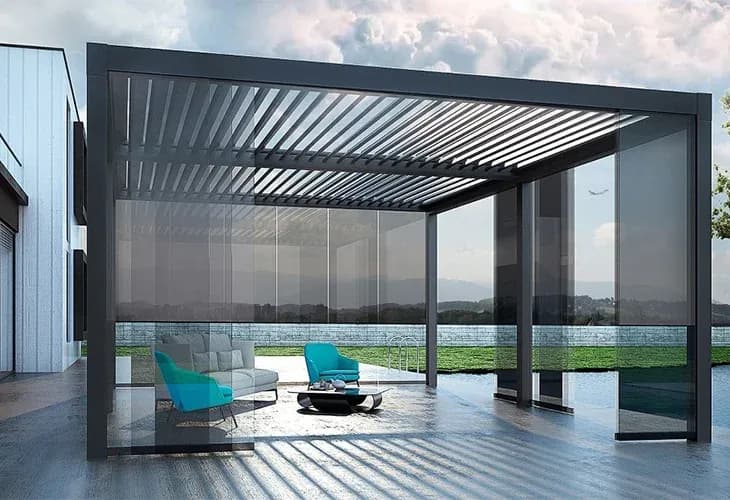
Motorized Pergola Systems: Adjustable louver roofs optimizing sun exposure, rain protection, and natural ventilation through precise blade positioning—infinite adjustment between complete openness and weathertight enclosure.
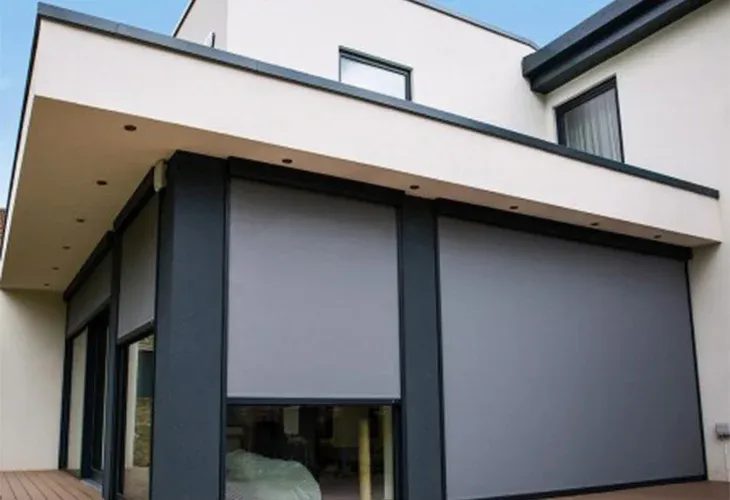
Zip Curtain Systems: Vertical fabric screens with edge-retention technology providing wind-resistant operation—protecting from sun, wind, insects, and privacy concerns while maintaining views when desired.
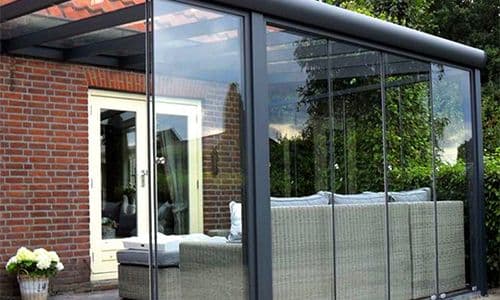
Automated Glass Enclosures: Motorized sliding or folding glass panels creating flexible transitions between indoor and outdoor spaces—weather protection without sacrificing transparency.
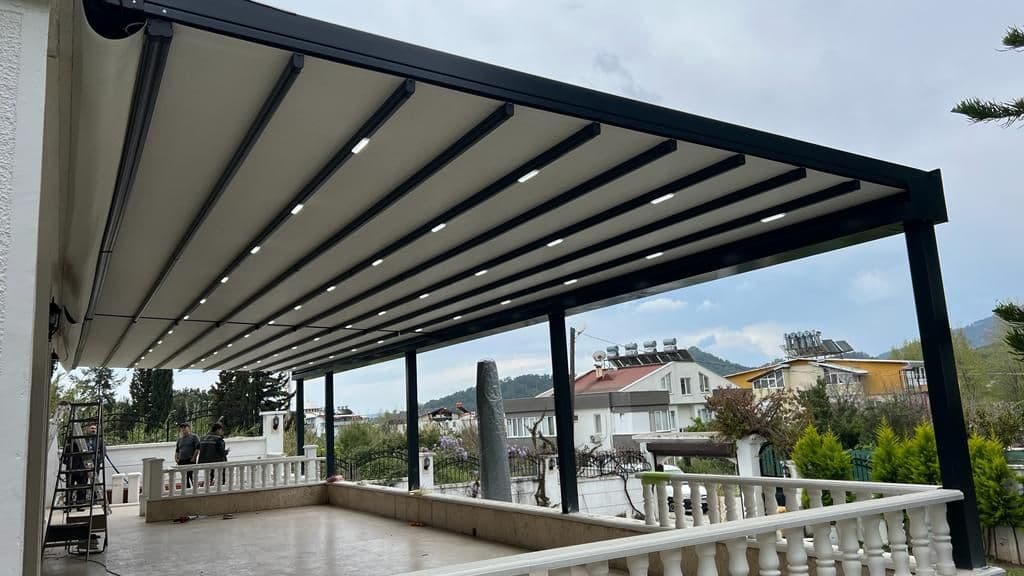
Retractable Awnings: Fabric systems extending for shade or retracting completely for unobstructed views—balancing protection with openness.
External Blinds and Shutters: Building façade shading intercepting solar radiation before reaching glazing—maximum cooling efficiency and glare control.
Skylight and Roof Glazing Shading: Interior or exterior systems controlling heat gain and glare through overhead transparency—particularly critical for atriums and conservatories.
How Smart Sensors and Motors Create Comfort
Environmental Intelligence
The transformative power of automatic shading systems lies in continuous environmental monitoring and responsive adjustment:
Solar Optimization: Light sensors measure intensity and calculate sun angle based on time and GPS location. As morning sun becomes intense, systems automatically adjust positioning blocking direct rays while maintaining diffused natural light. Throughout the day, shading tracks solar movement maintaining comfort without user intervention. During cloudy periods, systems open maximizing natural illumination reducing artificial lighting needs.
Weather Protection: Rain sensors detect moisture within seconds, triggering immediate closure protecting outdoor furniture, flooring, and spaces before damage occurs. Users away from property enjoy peace of mind knowing valuable outdoor investments remain protected. Wind sensors monitor speed continuously—during gusts exceeding safe thresholds, vulnerable elements automatically retract preventing structural damage and extending system longevity.
Temperature Management: Thermal sensors coordinate shading with HVAC systems. During cooling season, shading deploys blocking solar heat gain reducing air conditioning loads substantially. In heating season, shading retracts during sunny periods admitting passive solar warming reducing heating demands. This bidirectional efficiency optimization delivers year-round energy savings impossible with static shading.
Occupancy Responsiveness: Presence detection determines whether spaces are occupied. Unoccupied areas may accept wider temperature ranges conserving energy, while occupied zones receive priority comfort optimization. Advanced systems learn usage patterns—anticipating when spaces will be occupied and preconditively adjusting conditions.
Operational Sophistication
Modern shading technology solutions deliver refinement distinguishing premium installations:
Precision Positioning: Quality systems enable exact angle control—not merely open/closed binary states but infinite positioning. Louvers might adjust to 37-degree angles based on calculated optimal sun-blocking geometry, or curtains deploy 60% for balanced light admission and glare reduction.
Synchronized Operation: Multiple shading elements coordinate creating harmonious responses. South-facing louvers might close during intense afternoon sun while north zones remain open maximizing natural light—intelligent differentiation optimizing each exposure independently.
Adaptive Learning: Advanced controllers employ machine learning analyzing user manual adjustments. If occupants consistently override programmed settings under certain conditions, systems gradually adapt defaults matching revealed preferences—technology conforming to humans rather than forcing adaptation to rigid programming.
Predictive Automation: Weather forecast integration enables proactive responses. Systems might pre-close before predicted storms arrive, or adjust morning positioning anticipating afternoon heat—anticipatory intelligence optimizing outcomes beyond reactive responses.
Energy Optimization: Sophisticated installations coordinate with utility rate structures—maximizing natural conditioning during expensive peak-demand periods reducing costs beyond absolute energy consumption.
Manual vs. Automatic Shading Systems: Comprehensive Comparison
| Feature | Manual Shading Systems | Automatic Shading Systems |
|---|---|---|
| Operation | Physical effort required for every adjustment | Effortless—button, voice, or autonomous |
| Environmental Response | Delayed manual intervention when noticed | Immediate automatic response to conditions |
| Optimization | Depends on user attention and knowledge | Continuous optimization by intelligent algorithms |
| Accessibility | Challenging for elderly or mobility-limited | Universal access regardless of physical ability |
| Consistency | Variable—depends on user diligence | Reliable—never forgets or delays |
| Weather Protection | Requires presence to respond to rain/wind | Protects automatically even when absent |
| Energy Efficiency | Suboptimal—depends on manual management | Maximized through continuous optimization |
| Convenience | Requires constant attention and adjustment | Operates autonomously with minimal interaction |
| Smart Home Integration | Not applicable | Full connectivity and scene programming |
| Away-From-Home Management | Impossible without presence | Remote operation from anywhere |
| Learning Capability | None—static operation | Adapts to preferences over time |
| Maintenance Complexity | Simple mechanical elements | Requires occasional motor/sensor service |
| Initial Investment | Lower upfront cost | Premium reflecting technology integration |
| Long-Term Value | Basic functionality | Superior comfort, efficiency, and satisfaction |
| User Satisfaction | Adequate for basic needs | Exceptional—daily appreciation of convenience |
| Resale Appeal | Neutral impact | Positive—modern buyers value smart features |
This comparison illuminates why automatic shading systems command premium investment while delivering superior lifetime value—the technology premium purchasing not mere convenience but fundamental transformation in how shading systems function and benefit occupants.
Advantages in Homes, Cafés, and Commercial Projects
Residential Excellence
Energy Efficiency and Cost Savings: Automated shading coordinated with home systems reduces HVAC energy consumption 25-40% depending on climate and glazing exposure. Solar heat gain prevention during cooling season represents the most significant benefit, while selective winter solar admission reduces heating demands. These savings compound annually across decades of ownership, often recovering technology premiums within 5-10 years through reduced utility costs alone.
UV Protection and Interior Preservation: Automated responses ensure furnishings, flooring, artwork, and fabrics receive consistent protection from harmful ultraviolet radiation—preventing fading, degradation, and premature replacement. Strategic shading blocks 95%+ of UV while maintaining natural light and views.
Enhanced Security: Automated operation while traveling creates occupied appearance deterring break-ins. Random variation patterns prevent predictable absence signals. Integration with security systems enables coordinated responses—automatic closure when alarms activate.
Comfort Optimization: Continuous environmental monitoring maintains ideal conditions without constant manual attention. Morning coffee on terraces proceeds comfortably regardless of sun position, afternoon reading avoids glare automatically, and evening gatherings remain pleasant as temperatures drop—seamless adaptation throughout daily cycles.
Accessibility and Aging-in-Place: Motorized operation eliminates physical barriers enabling elderly occupants or those with mobility limitations to control environments independently—maintaining autonomy and quality of life.
Property Value Enhancement: Smart home features increasingly influence real estate valuations. Properties showcasing sophisticated automation command premium positioning and appeal to technology-conscious buyers willing to pay for integrated systems.
Hospitality and Restaurant Applications
Revenue Optimization Through Comfort: Restaurant terraces equipped with weather-responsive shading maintain optimal dining conditions throughout service periods—maximizing seating occupancy and customer satisfaction. Automated adjustment means staff focus on service rather than constant environmental management.
Extended Operating Hours: Weather protection enables reliable outdoor service regardless of conditions—unexpected rain doesn't force evacuation, intense sun doesn't create uncomfortable zones. This reliability translates directly to revenue through expanded capacity and seasonal extension.
Energy Cost Reduction: Commercial buildings experience substantial HVAC savings through intelligent shading—particularly significant given higher occupancy loads and extended operating hours. Many installations achieve 18-36 month ROI through energy savings alone before accounting for comfort and revenue benefits.
Brand Differentiation: Sophisticated environmental control communicates quality and attention to detail—first impression advantages influencing customer perceptions and driving positive reviews highlighting comfort.
Labor Efficiency: Automated systems eliminate staff time manually adjusting shading throughout shifts—reallocating human resources to revenue-generating activities rather than environmental management.
Commercial and Institutional Benefits
Green Building Certifications: Automated shading contributes valuable points toward LEED, BREEAM, and other sustainability certifications—increasingly important for corporate real estate and institutional buildings demonstrating environmental responsibility.
Occupant Productivity: Studies consistently demonstrate that workplace comfort—particularly natural light access and glare control—influences employee productivity, satisfaction, and retention. Automated systems optimize these factors continuously without disrupting work for manual adjustments.
Operational Efficiency: Building management integration enables centralized control and monitoring across extensive facilities—visibility and control at scale impossible with manual systems.
Maintenance Predictability: Modern systems report operational metrics and approaching service needs—enabling preventive maintenance rather than reactive repairs, minimizing disruption and extending system longevity.
Tenant Satisfaction: Commercial tenants increasingly prioritize smart building features—automated shading represents tangible amenity justifying premium rents and improving lease renewal rates.
Integration with Pergolas, Zip Curtains, and Glass Systems
Comprehensive Outdoor Automation
The most sophisticated outdoor environments integrate multiple automatic shading systems creating cohesive weather-adaptive design:
Bioclimatic Pergola + Vertical Screening: Motorized louver roofs coordinate with automated zip curtain systems on perimeters—comprehensive protection from overhead sun and lateral wind/rain while maintaining desired openness. Single control interface manages both elements harmoniously.
Glass Enclosures + Overhead Shading: Automated sliding glass systems combined with retractable awnings or pergola roofs create truly flexible spaces—complete enclosure during inclement weather, partial coverage during pleasant conditions, or full openness for perfect days.
Multi-Zone Coordination: Large outdoor areas benefit from independent zone control—dining areas might receive different shading than lounging zones, each optimized for specific activities and exposure conditions.
Smart Living Integration
Modern outdoor automation connects seamlessly with comprehensive home systems:
Scene Programming: Single commands trigger coordinated responses across multiple systems—"Evening Entertainment" might partially close louvers for ambient light, deploy perimeter screens for wind protection, activate integrated LED lighting, and initialize audio systems.
Scheduling Automation: Daily routines execute automatically—morning opening welcoming day, midday protection during peak sun, evening securing as temperatures drop, and nighttime closure for security.
Geofencing Response: Systems detect smartphone proximity—opening shading as residents approach home, securing as they depart for work.
Voice Control: Natural language commands through smart speakers—"Alexa, close the pergola" or "Hey Google, open the patio curtains 50 percent"—intuitive interaction requiring no technical expertise.
Remote Management: Smartphone applications enable control from anywhere—close systems before approaching storms while away, adjust positioning for contractors working on property, or simply check status providing peace of mind.
Why Choose Pergola Viva for Advanced Shading Solutions?
Technical Expertise and Engineering Excellence
Comprehensive System Design: Our approach begins with thorough assessment—sun exposure analysis, wind patterns, usage requirements, aesthetic preferences, and integration considerations. This foundation enables optimized specifications rather than generic solutions.
Premium Component Selection: We partner exclusively with industry-leading manufacturers—Somfy motors for proven reliability, quality sensor systems for accurate environmental monitoring, and robust control platforms for comprehensive functionality. Component quality directly determines long-term satisfaction.
Seamless Integration: Our expertise spans multiple shading technologies enabling unified solutions. Whether combining bioclimatic pergolas with zip curtains, integrating glass systems with overhead coverage, or connecting outdoor automation with interior smart home systems—we deliver cohesive environments rather than isolated products.
Professional Installation: Sophisticated automation systems demand installation precision—exact alignment, proper electrical integration, thorough programming, and comprehensive testing. Our experienced teams achieve the standards premium systems require.
Customization and Flexibility
Tailored Solutions: Every project receives personalized attention addressing specific functional requirements, architectural context, budget parameters, and user preferences—bespoke systems rather than constrained product selections.
Scalable Implementation: Systems design accommodates future expansion—starting with core functionality and adding capability over time as budgets permit or needs evolve. Infrastructure planning prevents costly retrofitting.
Aesthetic Integration: Weather-responsive shading enhances rather than compromises architectural beauty. Our design process ensures systems complement building character through finish coordination, profile selection, and detail refinement.
Ongoing Partnership and Support
Comprehensive Warranties: Premium manufacturers provide extensive coverage—motors typically warranted 5-10 years, structural elements 15-20+ years. Our relationship with suppliers ensures responsive warranty service when needed.
Maintenance Programs: Optional service agreements provide periodic professional inspections, cleaning, adjustment, and preventive maintenance—maximizing longevity and performance while providing budget predictability.
Technical Support: Questions or issues receive prompt expert attention. Our support team understands the systems we install intimately, providing effective troubleshooting and solutions minimizing disruption.
Software Updates: Connected systems receive firmware updates enhancing functionality, fixing bugs, and sometimes adding features—ongoing value improvement across ownership period.
Long-Term Relationship: Clients return for additional projects knowing they'll receive consistent excellence. Our commitment extends decades beyond initial installation—true partnership rather than transactional relationship.
Regional Expertise
Climate Understanding: Deep familiarity with Turkish weather patterns, sun angles, temperature ranges, and precipitation characteristics informs our design recommendations—systems optimized for actual local conditions rather than generic specifications.
Regulatory Knowledge: Experience navigating building codes, condominium restrictions, historical district requirements, and electrical regulations streamlines project approvals and ensures compliance.
Proven Track Record: Portfolio spanning luxury residential estates, distinguished hospitality venues, corporate campuses, and institutional facilities throughout Turkey demonstrates design versatility and technical capability.
Local Service Network: Regional presence ensures responsive support—no waiting for international technicians or shipping components across continents when service needs arise.
Advanced Features and Future Possibilities
Emerging Technologies
The outdoor automation field continues rapid advancement:
Artificial Intelligence Optimization: Next-generation systems employ machine learning analyzing thousands of data points—weather patterns, energy consumption, user adjustments, occupancy—continuously refining operation approaching human intuition.
Predictive Maintenance: Sensors monitoring motor current, operational cycles, and mechanical resistance detect developing issues before failures occur—alerting service needs preventing sudden breakdowns.
Integration Expansion: Increasing compatibility with diverse smart home ecosystems, voice assistants, and third-party services creates ever-richer automation possibilities.
Energy Storage Coordination: Integration with home battery systems and solar panels enables sophisticated energy management—operating during off-peak periods or prioritizing stored solar energy.
Enhanced User Interfaces: Augmented reality applications might enable virtual shading preview before construction, or holographic controls providing futuristic interaction paradigms.
Sustainability Benefits
Beyond energy efficiency, automatic shading systems contribute to environmental stewardship:
Reduced HVAC Loads: Substantial cooling energy reduction translates directly to decreased carbon emissions—particularly significant where electricity generation remains fossil-fuel dominated.
Extended Material Longevity: Protecting outdoor furnishings from UV degradation and weather damage delays replacement cycles—less consumption and waste.
Optimized Natural Resources: Maximizing natural light reduces artificial lighting demands. Strategic ventilation reduces mechanical cooling needs—working with nature rather than against it.
Durable Construction: Premium systems lasting 30-40+ years minimize replacement frequency compared to economy alternatives requiring renewal every 10-15 years—less material throughput over time.
Conclusion: Embrace the Future of Outdoor Comfort
Automatic shading systems represent more than technological sophistication—they embody architectural philosophies celebrating harmony between human comfort and environmental responsiveness. By continuously monitoring conditions and adjusting coverage intelligently, these systems deliver comfort optimization, energy efficiency, and convenience impossible through manual management—transformation appreciated thousands of times across ownership through seamless, effortless environmental control.
Whether reimagining residential outdoor living, elevating hospitality experiences, or advancing commercial building performance, smart shading systems deliver measurable value in comfort, energy savings, property distinction, and daily satisfaction. The integration of precision motors, sophisticated sensors, and intelligent algorithms creates environments that actively enhance quality of life rather than passively existing as static architectural features.
At Pergola Viva, we've positioned ourselves at the forefront of outdoor innovation, bringing advanced shading technology solutions to discerning clients throughout Turkey and beyond. Our comprehensive expertise spans system design, component selection, seamless integration, precision installation, and ongoing support—ensuring your investment delivers the performance, reliability, and satisfaction you deserve across decades of service.
Ready to experience the convenience and comfort of intelligent outdoor automation? Contact Pergola Viva today to schedule your personalized consultation. Our shading specialists will assess your property, discuss your functional requirements and aesthetic preferences, explain technology options transparently, and develop customized proposals reflecting true value. Discover why forward-thinking architects, property developers, and homeowners trust Pergola Viva for automatic shading excellence that transforms outdoor spaces into intelligent environments responding effortlessly to nature while optimizing human comfort. Let us show you how smart living extends beyond interior walls—creating adaptive outdoor spaces where technology serves life beautifully, efficiently, and reliably for generations to come.